


Retrograde Cricopharyngeal Dysfunction (R-CPD / “No-Burp Syndrome”)
People with R-CPD are frequently misdiagnosed with reflux or IBS because imaging and routine scopes can be normal. The key is the syndrome pattern above—paired with targeted testing and, when appropriate, a therapeutic trial that doubles as confirmation
What is R-CPD?
Retrograde Cricopharyngeal Dysfunction is a disorder in which the upper esophageal sphincter (the cricopharyngeus muscle) fails to relax in the reverse direction, trapping air and preventing burping. The result is pressure build-up and a cluster of symptoms that can be daily and disruptive. The condition was formally described in 2019 and is now recognized as a treatable cause of lifelong “can’t burp” complaints.
Common symptoms
- Lifelong (or long-standing) inability to burp
- Bloating and pressure in the lower neck, chest, and abdomen
- Audible gurgling from the neck/chest
- Excessive flatulence; nausea; sometimes difficulty vomiting
- Social discomfort or avoidance of eating/drinking in public
- These hallmark features strongly suggest R-CPD when they occur together.
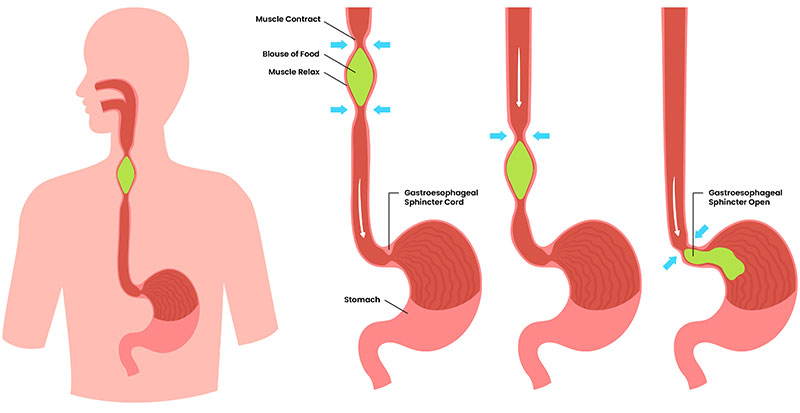

People with R-CPD are frequently misdiagnosed with reflux or IBS because imaging and routine scopes can be normal.
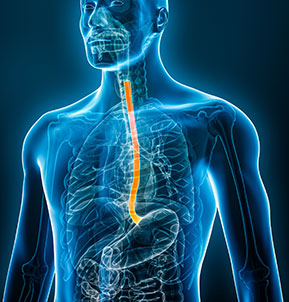
- History & exam focused on the symptom cluster and impact on daily life.
- Endoscopic airway/voice evaluation to rule out other causes and assess swallowing safety.
- Optional tests (high-resolution manometry, imaging) when needed to characterize upper esophageal sphincter behavior.
If symptoms recur or injections provide only partial relief, endoscopic partial cricopharyngeal myotomy (cutting partway through the muscle to permanently loosen it) can be an option. This is reserved for selected cases after expert evaluation.
Before
- Review medications and reflux control, discuss anesthesia options, and plan your recovery timeline.
During
- The procedure is brief. Depending on the approach, you’ll either be asleep (OR) or awake with local anesthesia (office EMG-guided).
After
- Many patients burp within days; others notice a gradual return over the first week.
- Temporary effects are common and typically resolve in days to a couple of weeks: a “lump” sensation, mild trouble with solids (food feels like it “hangs”), or increased reflux. We’ll give you practical strategies (chew well, alternate sips of liquid) while things settle.
R-CPD affects both adults and adolescents. We tailor evaluation to age and goals (sports, school, professional voice use), and we coordinate with speech-language pathology when helpful.